Many couples want natural wedding photos, yet feel slightly uneasy when they imagine spending time in front of a camera. They are not used to posing, worry that they will not know what to do or fear that their wedding story will become a series of artificial scenes that do not feel like them.
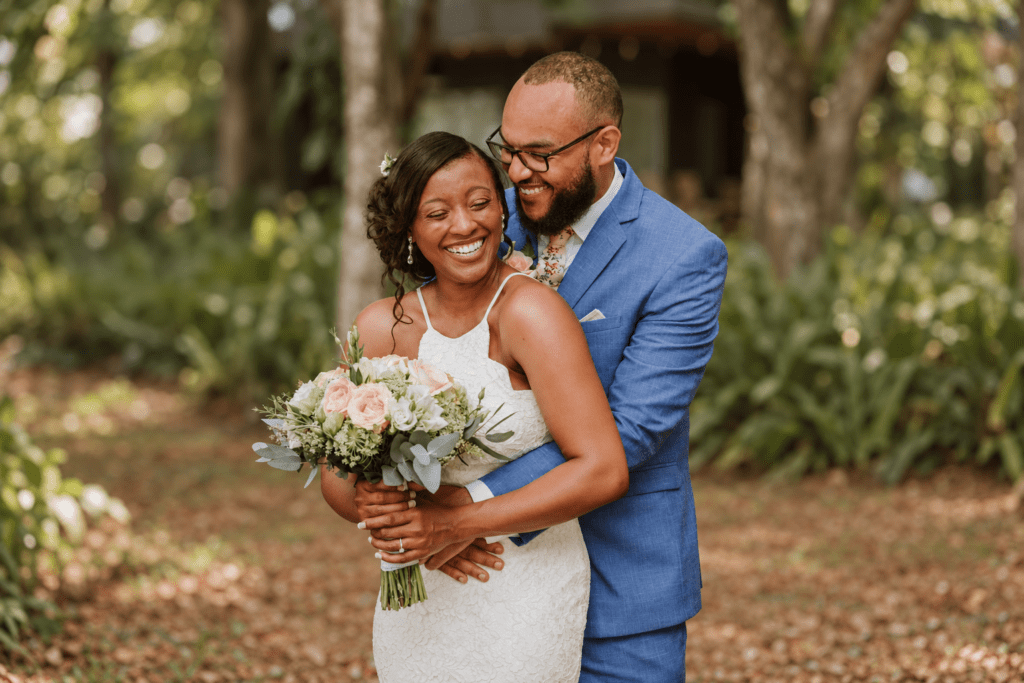
The good news is that you do not need to know how to pose to have photographs in which you recognise yourselves. Natural images do not depend on mastering a technique or behaving in a particular way. They emerge when you can remain present, trust the person accompanying you and experience the wedding without feeling that everything has been arranged for the camera.
It is also worth clarifying something: a natural photograph is not always completely unplanned. Sometimes it is enough to find better light, choose a quiet place or receive a simple suggestion. The difference lies in whether that guidance helps you without asking you to play a part.
Being natural does not mean ignoring the camera
Forgetting that a photographer is there can feel liberating, but it does not always happen immediately. During the first few minutes, it is perfectly normal to be aware of the camera, especially if you have never had a session together. Expecting yourselves to behave with complete spontaneity from the very beginning can create exactly the opposite effect.
What matters is not pretending that the camera does not exist, but ceasing to see it as a test you have to pass. There is no correct way to look, walk, embrace or smile. Your gestures do not need to resemble those of another couple or recreate a reference you found on social media.
An experienced photographer knows how to give you time, observe the way you relate to one another and adapt their presence to your personalities. Some couples relax while talking; others need movement, silence or a few minutes without instructions. Natural moments appear when the process adapts to you, not the other way around.
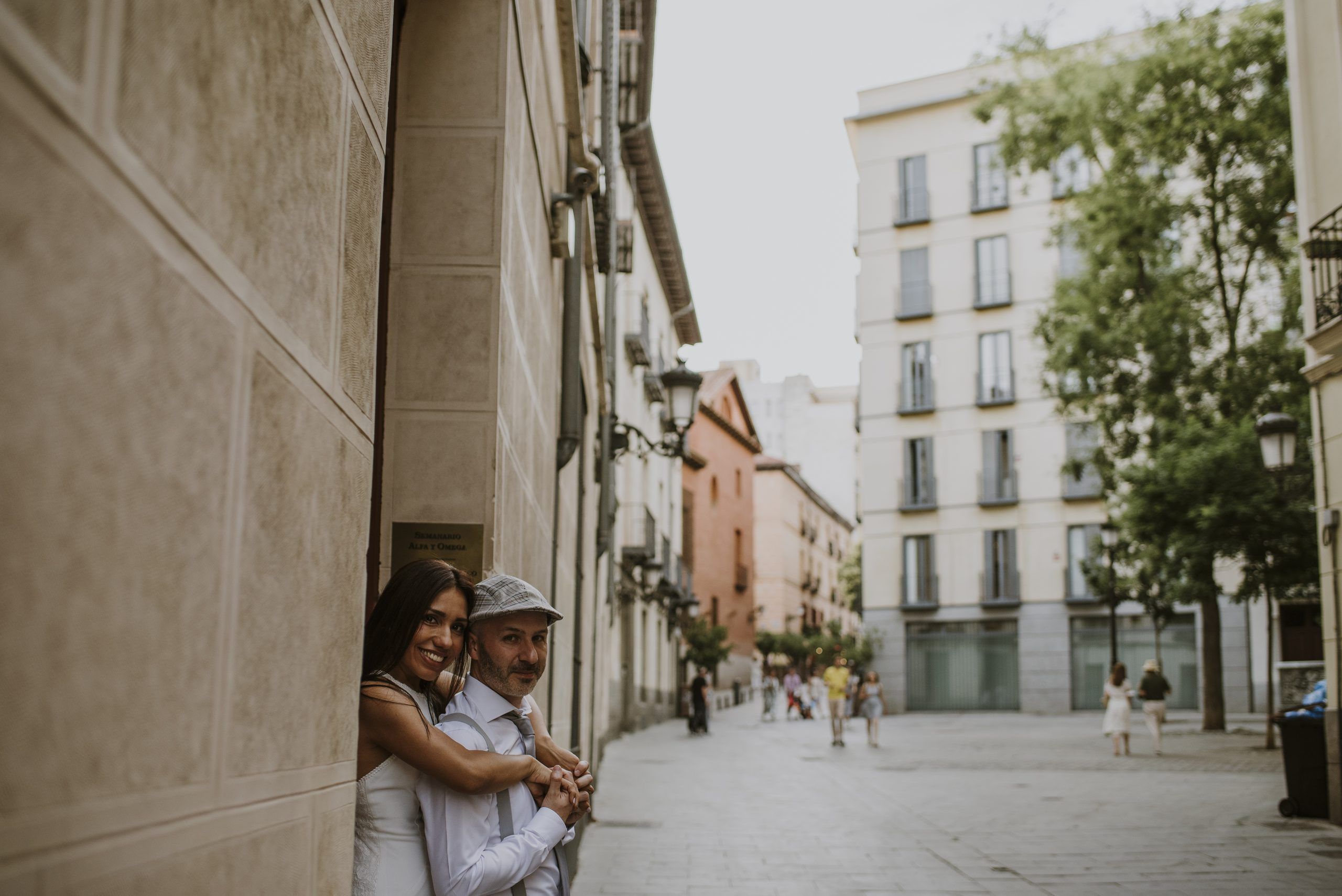
Choose someone whose way of working makes you feel at ease
Visual style matters, but the way a photographer works has a direct influence on how you will feel. Two photographers may show visually similar images while offering completely different experiences.
Before booking, ask how much direction they usually give, how they approach couple portraits and what they do when someone feels uncomfortable in front of the camera. You can also ask to see complete wedding galleries and notice whether people seem present in what they are experiencing or constantly aware of the photographer.
The conversation before booking helps you understand whether there is a natural connection. Your photographer does not need to become your best friend, but their presence should feel clear, respectful and easy. Trust reduces the feeling of being watched and allows emotions to appear without pressure.
An engagement session can help you feel more confident
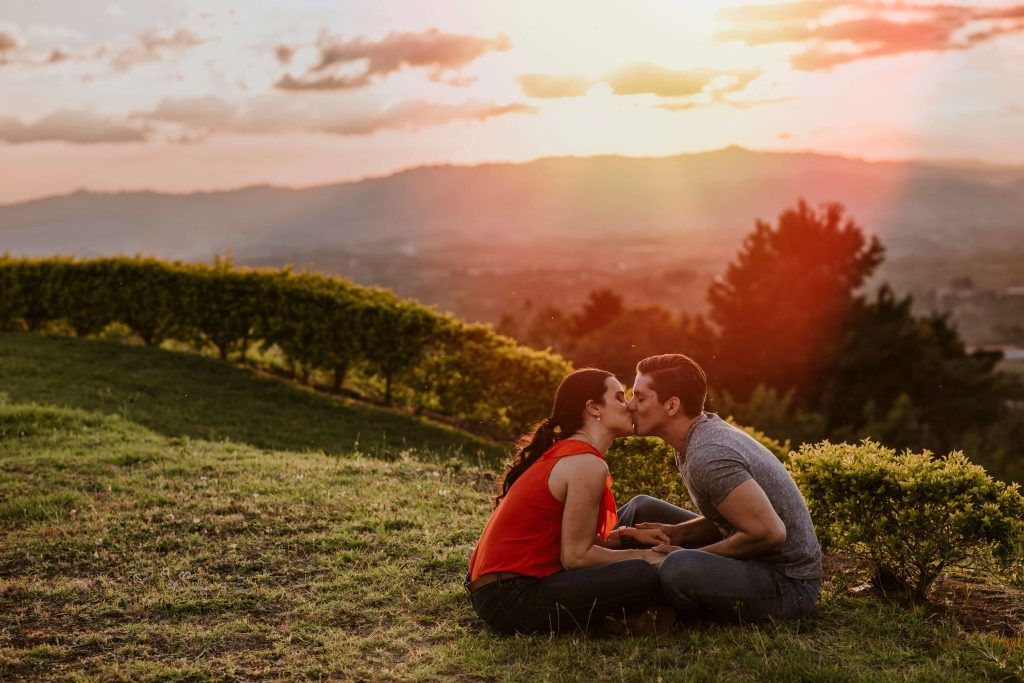
An engagement session is not essential for natural wedding photos, but it can be particularly helpful if being in front of the camera makes you uneasy. It gives you an opportunity to understand how your photographer works without the schedule or emotional intensity of the wedding day.
An engagement session should not be treated as a rehearsal for poses that you will later have to repeat. Its value lies in discovering how you feel, which kinds of guidance help you and how long you need before you stop paying attention to the camera. It also allows the photographer to understand the way you relate to one another.
When the wedding arrives, that shared experience reduces uncertainty. You already know the voice, rhythm and presence of the person photographing you. You have not learned how to pose; you have simply discovered that you can be yourselves while someone observes and creates images from what unfolds.
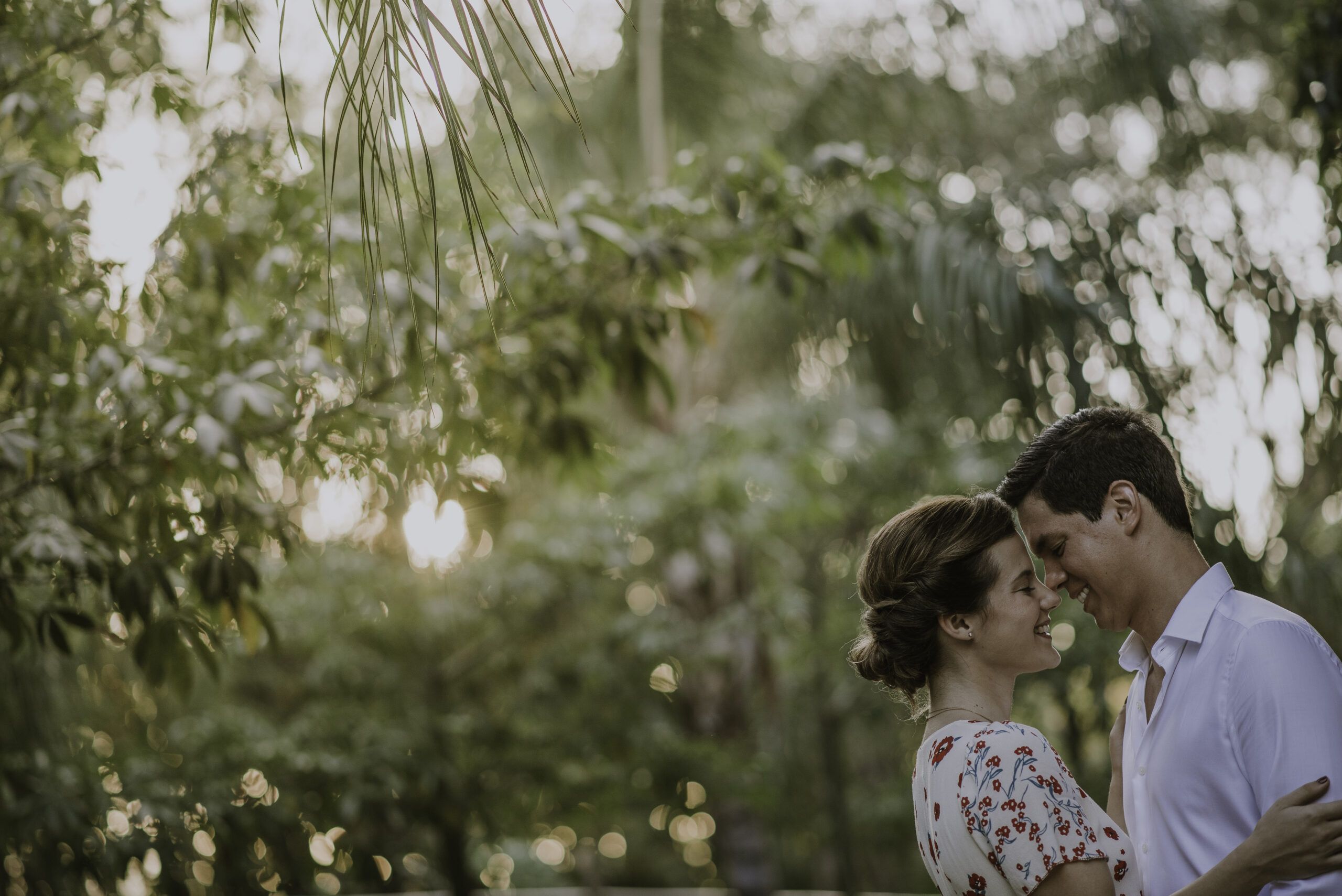
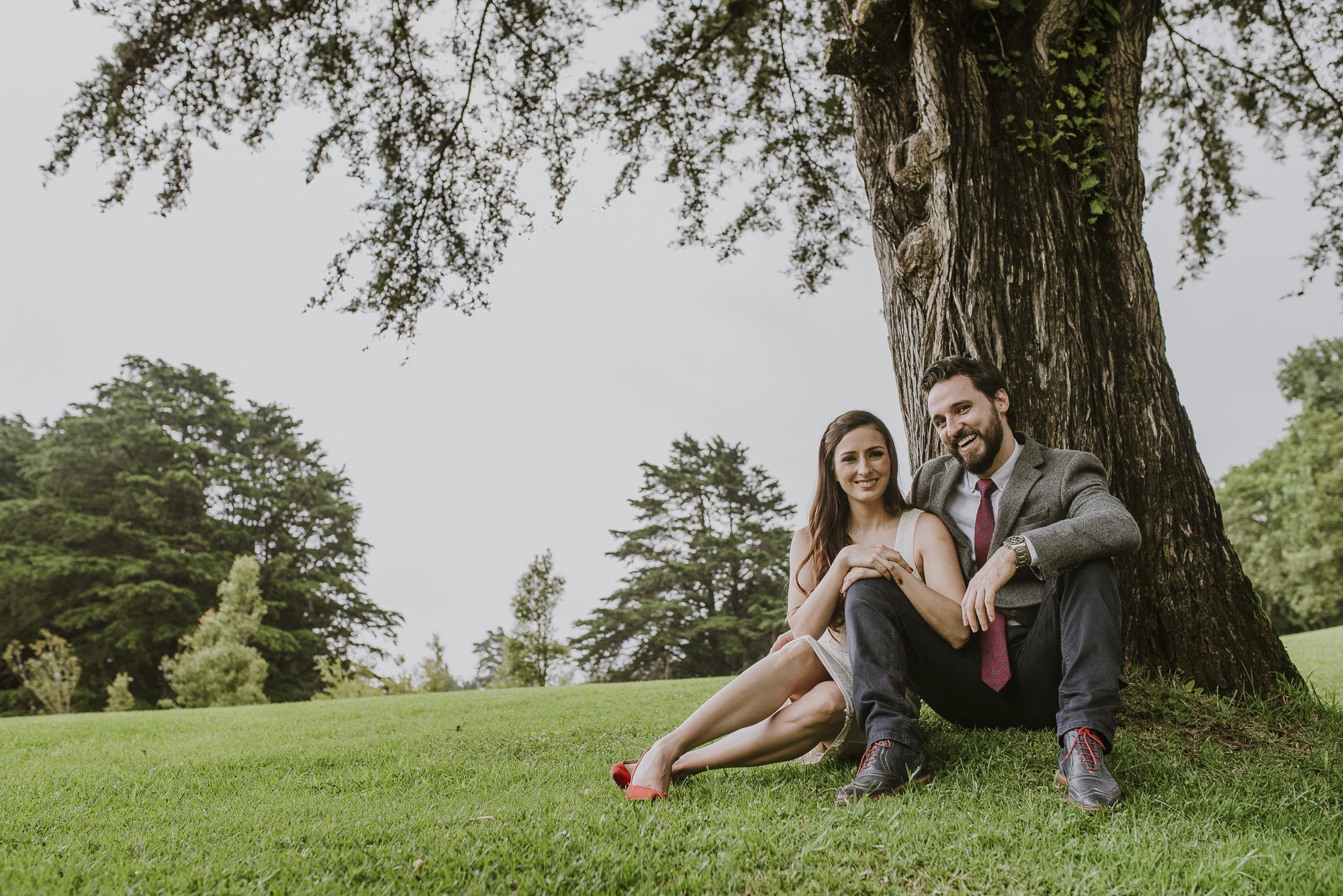
Do not try to recreate other couples’ photographs
Saving references can help you explain which atmospheres, colours or kinds of images appeal to you. The problem begins when those references become a list that must be reproduced exactly.
Every wedding has its own light, rhythm, setting and relationships. A photograph that worked for another couple may have depended on a spontaneous gesture, a particular personality or something that happened in an unrepeatable moment. Trying to reconstruct it can draw you away from what is actually happening.
Share what inspires you, but leave room for your photographs to grow from your own story. The most personal images often emerge from details that could not have been planned: the way you look at one another, a family member’s reaction, an embrace that lasts longer than expected or a conversation no one anticipated.
Plan the timeline so you do not spend the day rushing
Natural moments need time. Not necessarily hours of freedom, but enough breathing room to prevent every part of the day from becoming a race towards the next.
When the schedule is too tight, any delay creates tension. Preparations become rushed, encounters are interrupted and couple portraits can feel like another task to complete. Allowing small margins helps absorb the unexpected and lets you remain present in what is happening.
Discuss the timeline with your photographer and whoever is coordinating the wedding. They can identify unrealistic travel times, moments with especially favourable light or parts of the day that need a few more minutes. Careful planning does not remove spontaneity; it creates the conditions in which it can emerge.
Couple portraits do not have to become a photo shoot
For many couples, this is the part of the day that causes the most uncertainty. They imagine a long session filled with poses, constant instructions and smiles that have to be held. Couple portraits, however, can be woven into the day much more simply.
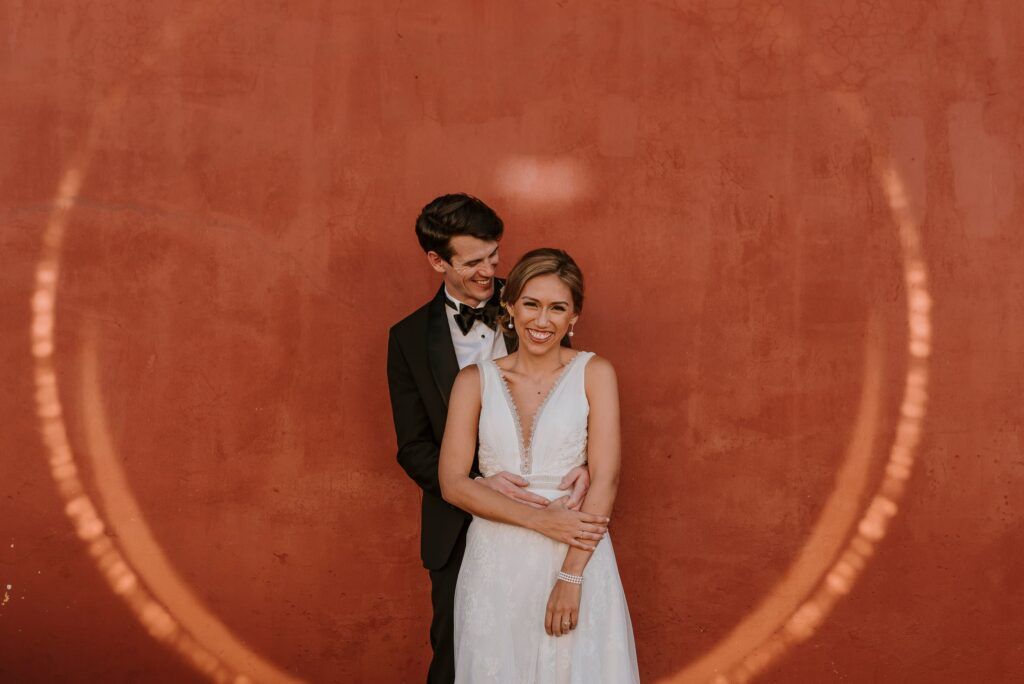
A short walk, a few minutes away from the noise or a pause before returning to your guests may be enough. The photographer can choose the place and the light, suggest a movement or adjust a small detail, but should then leave room for you to relate to each other in your usual way.
You do not need to look at the camera constantly. You can walk, talk, embrace or simply pause together. The intention is not to perform an idealised version of yourselves, but to create an environment in which you can slow down and reconnect in the middle of an intense day.
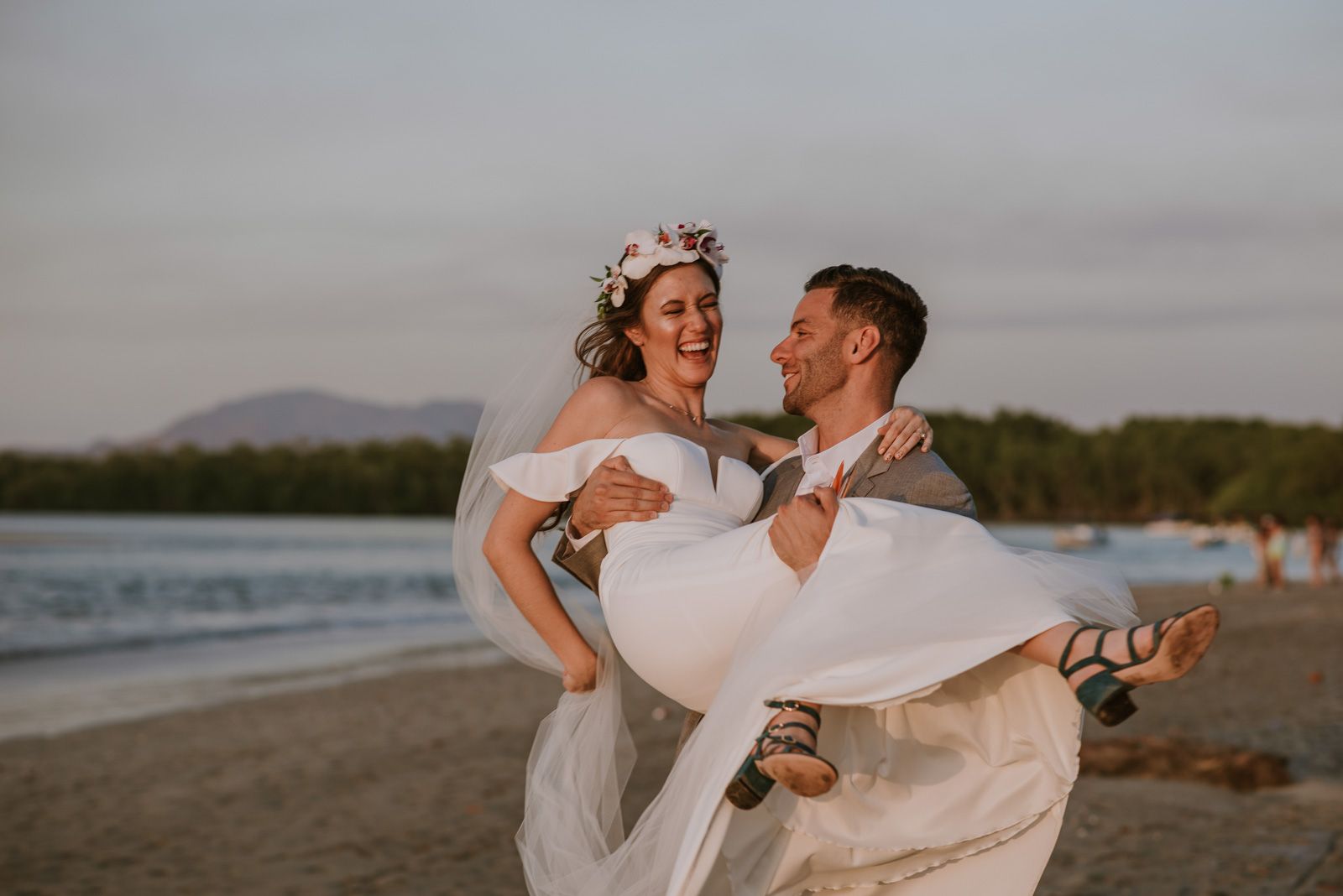
Family photographs benefit from a little organisation
Documentary photography does not mean giving up family photographs. For many people, these will become some of the most valuable images over time. What often becomes tiring is not taking them, but deciding in the moment who should appear in each group.
Prepare a short list of the combinations that genuinely matter. Choose one person from each family who knows everyone and can help gather them. It is also useful to select a nearby, accessible place with suitable light.
A little organisation makes it possible to complete these portraits efficiently and return to the celebration quickly. You do not need to photograph every possible combination; prioritise the people and relationships you truly want to preserve.
Focus on experiencing the wedding, not producing photographs
The most honest expressions appear when your attention is on the people around you rather than on the visual result. Listen during the ceremony, embrace without wondering how long the gesture should last, talk to your guests and allow things to happen without constantly checking where the photographer is.
This also means accepting that not every moment will be perfect. There may be nerves, tears, wind, rain, delays or an untidy room. Those elements do not necessarily spoil the wedding story. They often bring context, movement and truth.
You do not need to maintain a permanent smile. A complete story also contains waiting, concentration, quiet emotion and calm moments. The less you try to present a particular image of yourselves, the more likely the photographs are to resemble what you genuinely experienced.
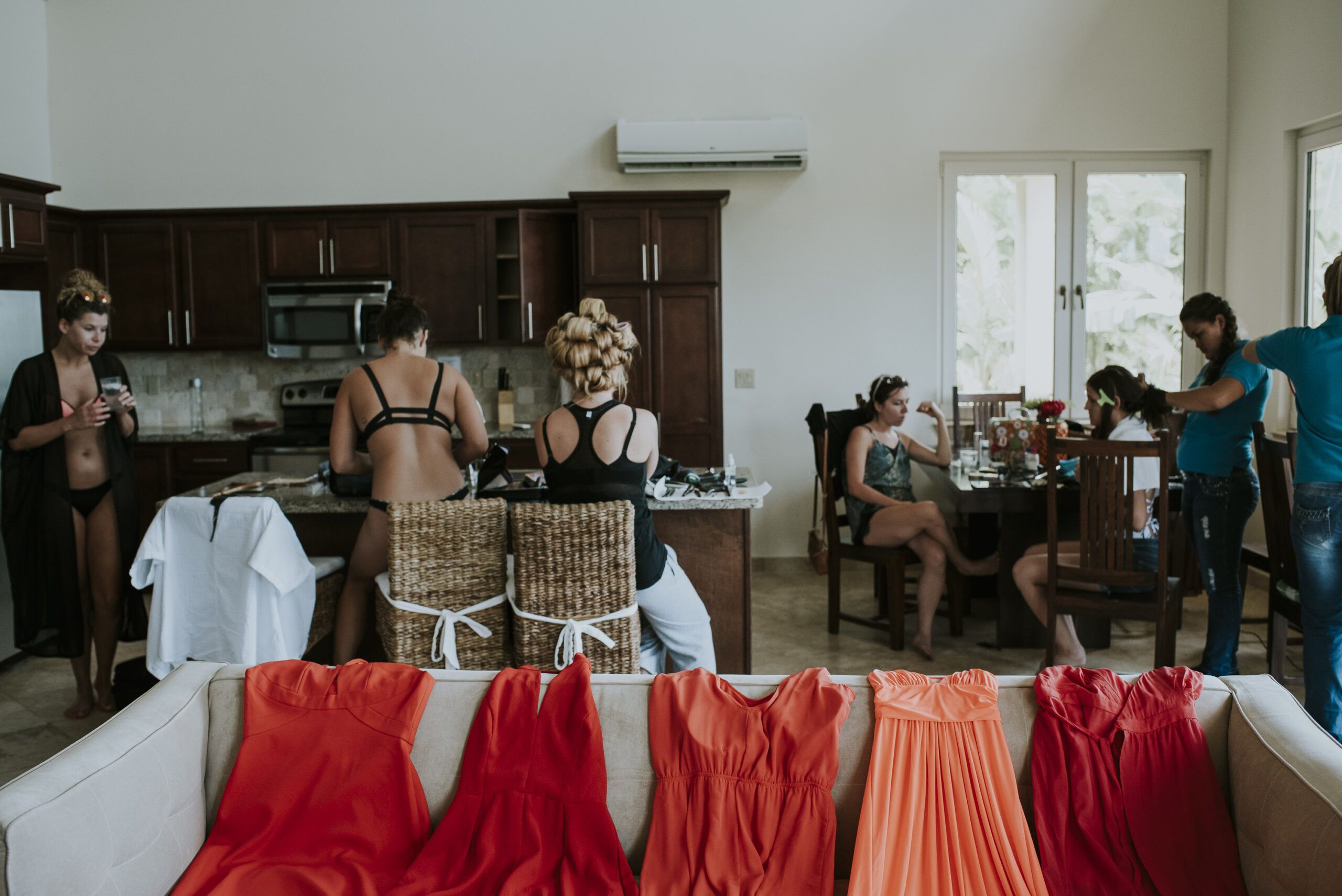
If something makes you uncomfortable, say so
Trust also means being able to express your boundaries. If a suggestion feels strange, a position is uncomfortable or you need a pause, you can say so. A good professional should not see that communication as a problem, but as useful information that helps them work better with you.
Talk before the wedding about any specific insecurities. Perhaps you are concerned about a physical feature, do not want certain photographs or have a sensitive family situation. Knowing this in advance allows the photographer to work thoughtfully and avoids uncomfortable conversations during the day.
You can also explain what kind of presence helps you. Some people appreciate clear guidance; others prefer the photographer to intervene as little as possible. The aim is not to fit a formula, but to find the balance that allows you to feel secure.
Natural photographs begin before the wedding day
Feeling comfortable in front of the camera does not depend on rehearsing poses. It begins with making a thoughtful choice, having an honest conversation and understanding clearly how the process will work.
When you trust your photographer’s perspective and way of working, you can stop anticipating every image. You know there will be guidance when it is useful and discretion when a moment needs space. That confidence allows you to bring your attention back to what truly matters: the people, the emotions and the experience you are sharing.
You do not need to become models or behave differently. The photographs that will preserve your wedding most meaningfully are those in which you recognise yourselves, not only in how you look, but in how you felt.